Last week, we took a break from our regular class schedule and packed our bags for Core Course Week. So, what is Core Course Week? It is a week that you travel with your core program to a different part of Sweden. It enables you to spend time focusing on your core course while learning in a real-world setting. For my program, Translational Medicine, we spent time learning about the applications of translational medicine in Uppsala and Linköping.
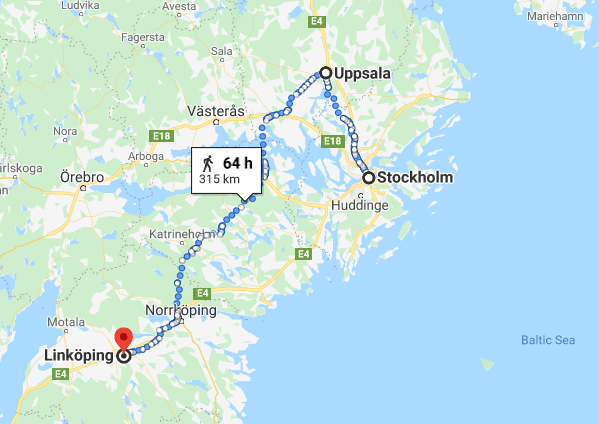
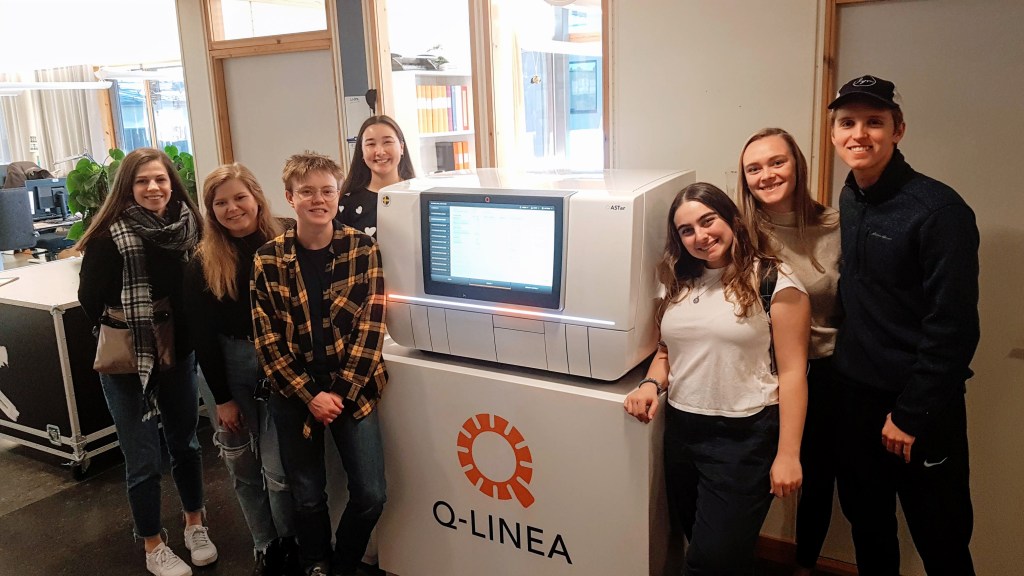
On Monday morning, we left bright and early for Uppsala, a town North of Stockholm. Uppsala is known for being home to the oldest university in Sweden: Uppsala Universitet (founded in 1477). After an hour and a half bus ride, we arrived at a biotechnology company, Q-linea. Q-linea has developed a machine that will significantly decrease the time necessary to find the right antibiotic to treat sepsis patients. Sepsis is an extremely dangerous bacterial infection of the blood that leads to low blood pressure and organ failure. The condition is fatal if it is not treated with the correct antibiotic in a timely fashion, so this device developed by Q-linea has the potential to save many lives. I am excited to see its impact on the healthcare field in the coming years.
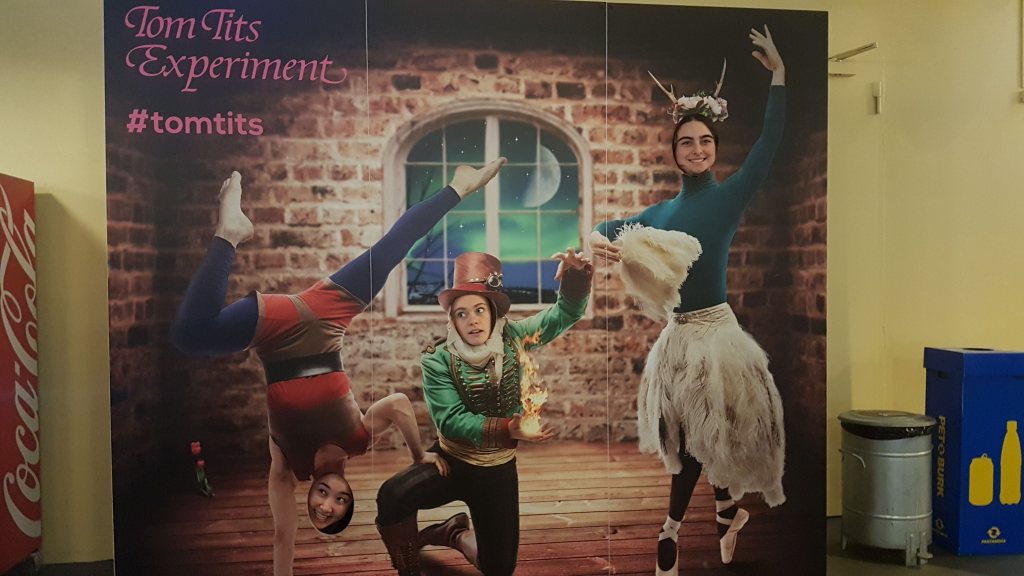
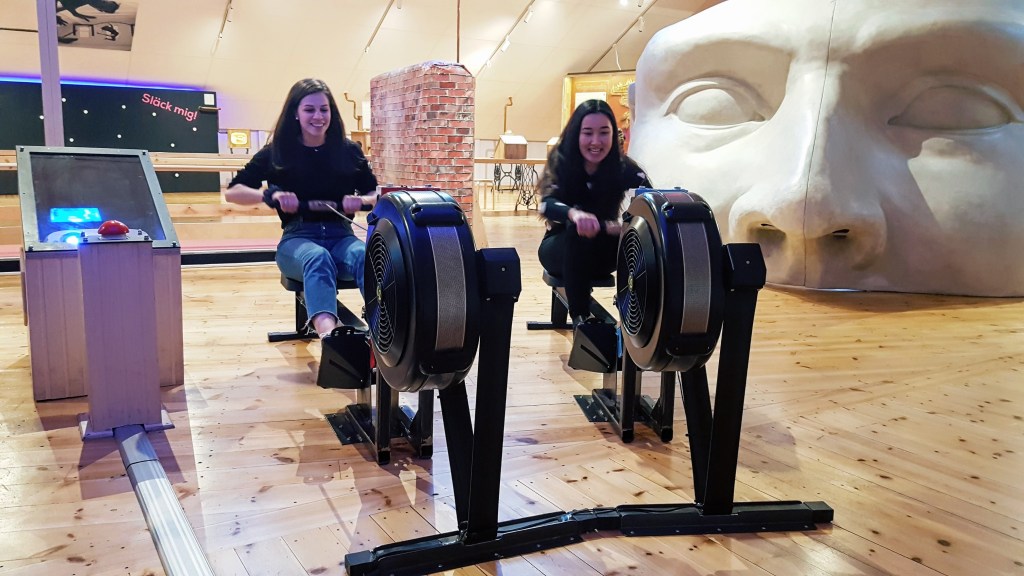
Next, we headed about 3 hours South for Linköping. On the way to Linköping, we stopped at an interactive science museum called Tom Tits Experiment. This was a fun break from the drive, and we practically had the whole museum to ourselves!
In Linköping, we visited two research departments over the span of two days. First, we met with the Division of Neurobiology and learned about their current research with ion channels. Ion channels play an important role in epilepsy. We also had the opportunity to see the lab and observe frog oocytes in a microscope.
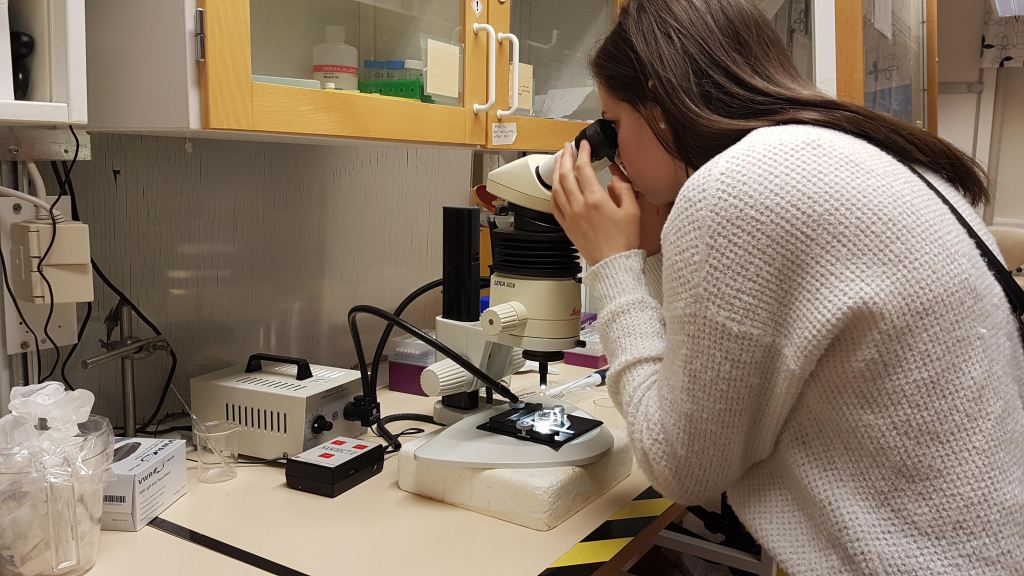
The second department that we met with was the Department of Molecular Virology. At this visit, we learned all about norovirus, also known as “Winter Vomiting Disease.” This is a very common sickness in Sweden during the wintertime. In fact, 80% of people are susceptible to norovirus. We all gave saliva samples, and had the opportunity find out who, among our group, would be likely to get infected with the virus upon exposure. Unfortunately, only 1 out of the 9 of us was a non-secretor of the molecule that increases the risk of getting sick with the virus.
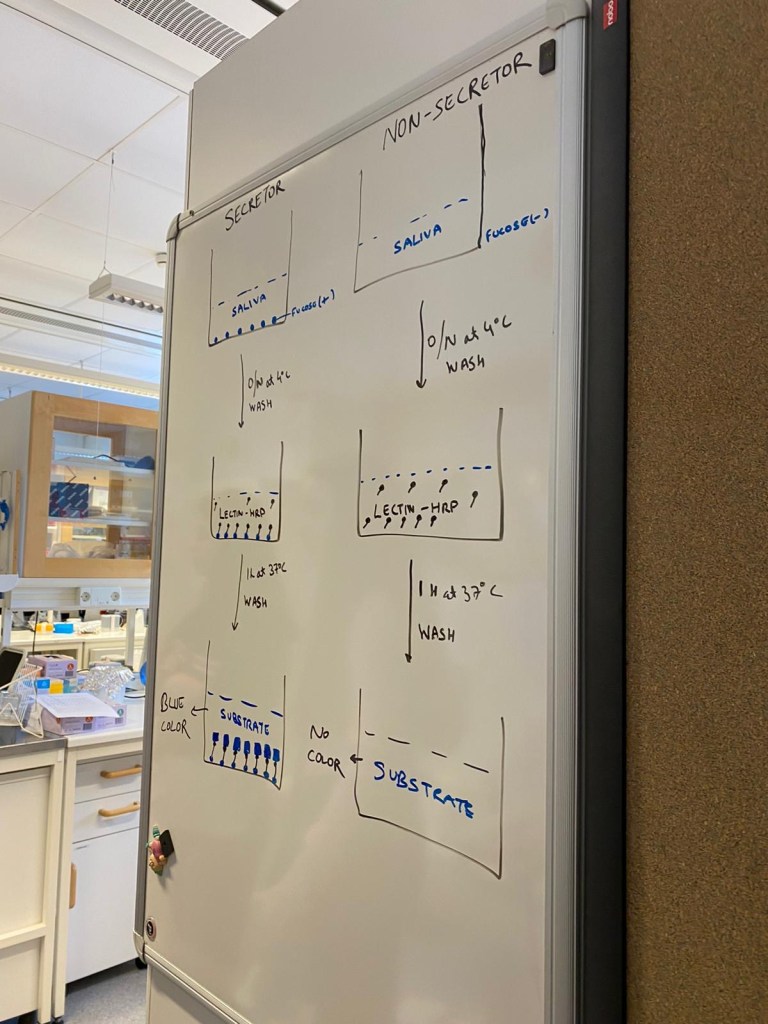
A diagram showing the difference between secretors and non-secretors that leads to different susceptibilities to Norovirus. 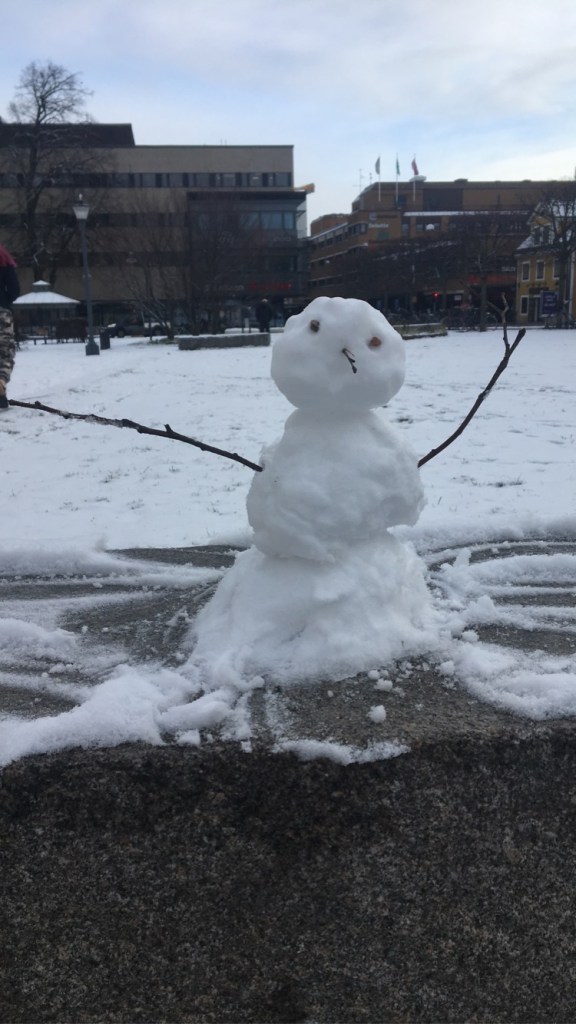
First sight of snow while in Sweden!
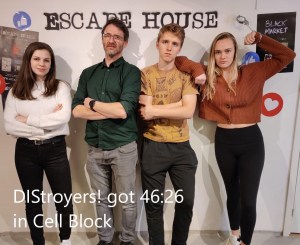
As a fun bonding activity, we also got to do an escape room during Core Course week! We divided into two teams and competed to see who could escape the prison the fastest. My team won! Go DIStroyers!!
Overall, Core Course Week was a blast. We witnessed current developments biomedical research, explored new areas of Sweden, and grew a lot closer as classmates and friends. As an added bonus, the food, accommodations, and transportation were all super nice. I am excited to continue to learn about Translational Medicine as the semester continues.
Best,
Kate
 The One Where Kate Goes to Sweden